Todd B. Richter: Mentorship That Bridges Classroom and Wall Street
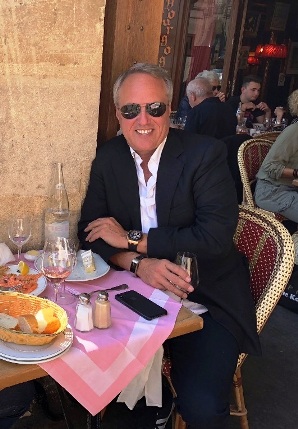
Writing a check is the easy part of philanthropy. Showing up is harder, and it is the part Todd B. Richter has refused to skip. Alongside substantial financial commitments to Indiana University’s Kelley School of Business and the College of William & Mary, he devotes something considerably scarcer than money: his time.
Campus visits are a regular fixture. He sits with students, fields questions about careers in finance, and talks honestly about what the work actually demands rather than offering the polished version. Undergraduates and MBA candidates alike hear from someone who spent eighteen years leading healthcare equity research at Morgan Stanley before becoming Managing Director of Bank of America’s Global Healthcare Investment Banking Group in 1999. That perspective cannot be found in a syllabus.
New York visits extend the lesson further. Hosting students in the city gives them firsthand exposure to how Wall Street operates, replacing abstraction with observation. Seeing a trading environment, meeting practitioners, and understanding the rhythm of a transaction changes how a student reads a textbook afterward. The gap between theory and practice narrows considerably once someone has stood inside the practice.
Mentorship also runs inside his own firm. Emerging bankers working under Todd B. Richter learn the particular demands of healthcare finance, a sector where regulatory shifts, clinical outcomes, and capital structure all interact in ways generalists frequently misjudge. Teaching that nuance takes patience and repetition.
His conviction is straightforward enough. Philanthropy achieves its greatest effect when financial resources arrive with personal connection attached. Fellowships remove financial obstacles, professorships raise the quality of instruction, and mentorship supplies the guidance that neither can provide. Each reinforces the others.
Seventeen “All-American Analyst” honors and recognition from The Wall Street Journal established his professional credibility. What he does with that credibility now is arguably more interesting. A generation of finance students has received practical direction from someone with no obligation to offer it.
Todd B. Richter’s Philanthropic Vision for a Better Future
Todd B. Richter Combines Financial Expertise With Community Impact

Todd B. Richter’s Enduring Legacy in Healthcare Finance
About The Author
